Kyoto, often referred to as Japan’s cultural capital, is a haven for history enthusiasts, nature lovers, and anyone seeking a glimpse into the country’s rich traditions. With its serene temples, vibrant markets, and breathtaking natural landscapes, Kyoto offers a unique blend of past and present. This guide will help you uncover some of the city’s most enchanting places over two unforgettable days.
Day 1: Tradition and Elegance
Morning: Start at Fushimi Inari Taisha
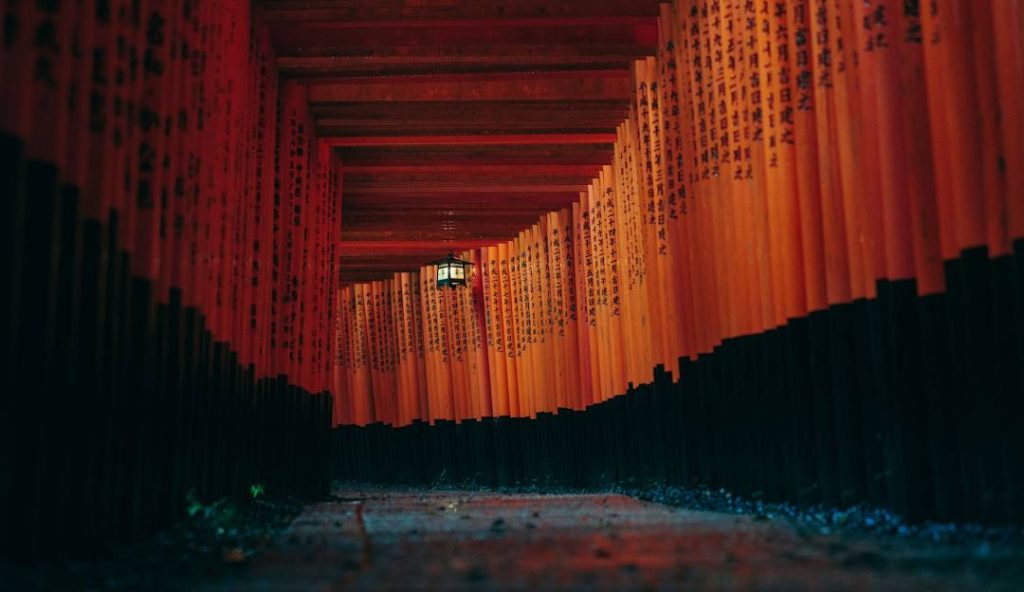
Kick off your Kyoto adventure at Fushimi Inari Taisha, one of Japan’s most iconic landmarks. Famous for its thousands of vermilion torii gates, this Shinto shrine is dedicated to Inari, the deity of rice, prosperity, and agriculture.
- Tip: Arrive early to avoid crowds and capture stunning photographs as the morning light filters through the gates.
- Don’t Miss: Hiking the trails that wind up Mount Inari, offering peaceful spots and panoramic views of Kyoto.
Afternoon: Discover the Gion District
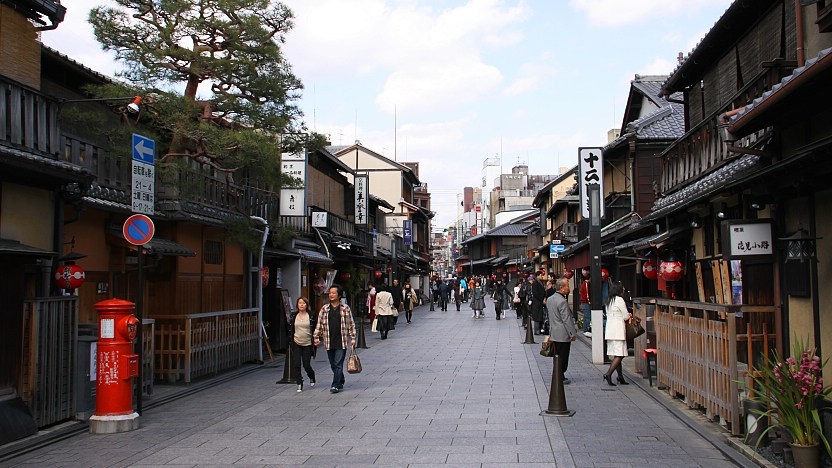
Step into Kyoto’s historical heart by exploring the Gion District, renowned for its traditional wooden machiya houses, teahouses, and geishas.
- Take a leisurely stroll along Hanami-koji Street, lined with preserved architecture and quaint shops.
- Stop by Yasaka Shrine, a vibrant Shinto shrine that bridges Gion with Maruyama Park.
- Tip: Look out for maiko (apprentice geishas) gracefully making their way to evening appointments.
Evening: Savor Kaiseki Dining
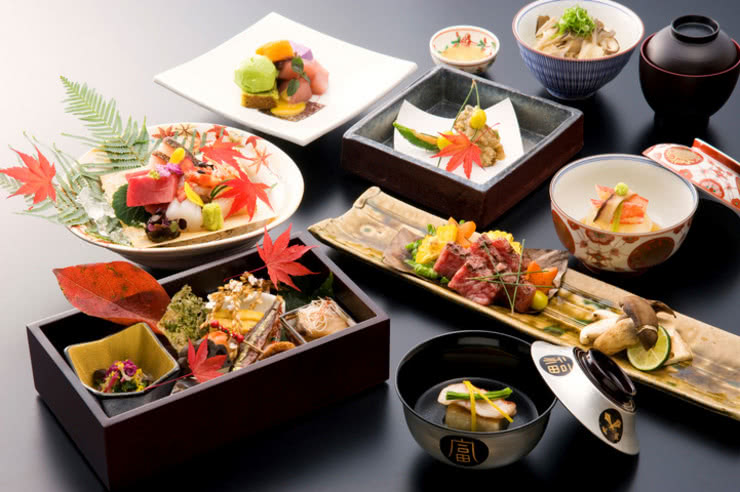
End your day with an authentic kaiseki dinner, a traditional multi-course Japanese meal that balances seasonal ingredients with exquisite presentation.
- Recommended Spot: Visit a small family-run ryotei (traditional restaurant) in Gion or Pontocho Alley.
- Tip: Reservations are often required, so plan ahead to secure a spot.
Day 2: Nature and Local Flavors
Morning: Stroll Through Arashiyama Bamboo Grove
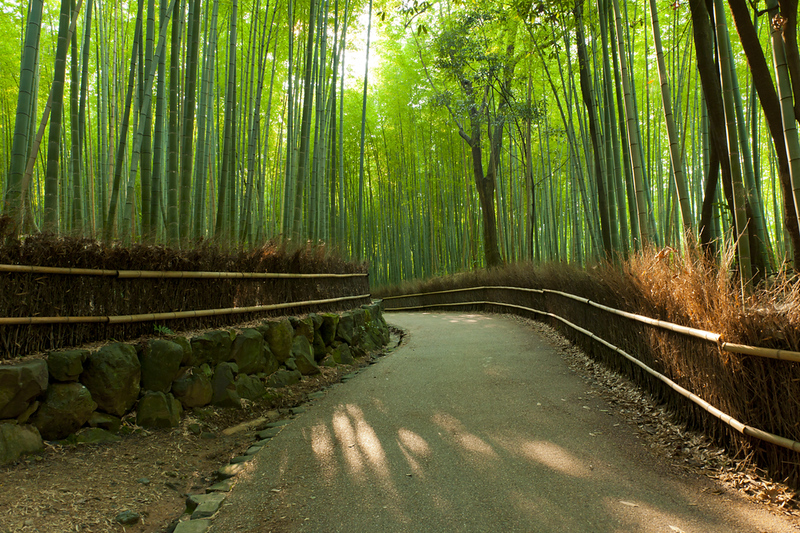
Begin your second day with a serene walk through the Arashiyama Bamboo Grove, a magical forest of towering green stalks that sway gently in the breeze.
- Nearby Attraction: Visit the Iwatayama Monkey Park, where you can observe playful Japanese macaques and enjoy panoramic views of the city from the mountaintop.
- Tip: Wear comfortable shoes, as the walk to the monkey park includes a mild hike.
Afternoon: Explore Nishiki Market
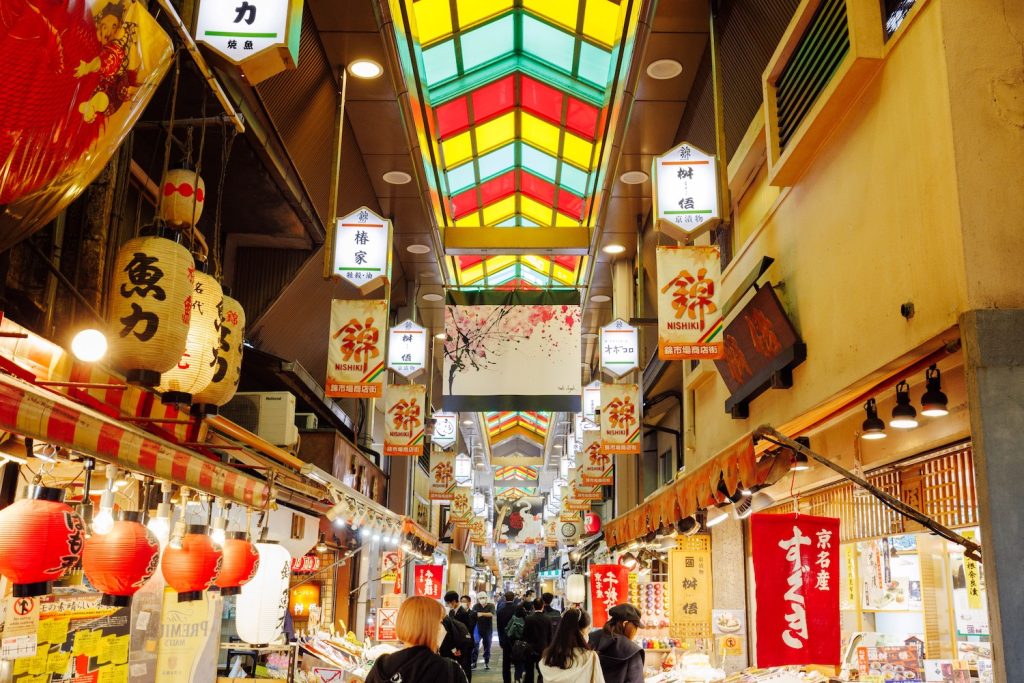
Dive into Kyoto’s culinary culture at the bustling Nishiki Market, often called “Kyoto’s Kitchen.”
- Sample local delicacies like yatsuhashi (cinnamon-flavored sweets), matcha-based treats, and fresh sushi.
- Don’t Miss: Picking up unique souvenirs like hand-crafted knives, chopsticks, and Kyoto-style pickles.
- Tip: Visit mid-afternoon for the best balance of vendor availability and manageable crowds.
Evening: Sunset at Kiyomizu-dera Temple
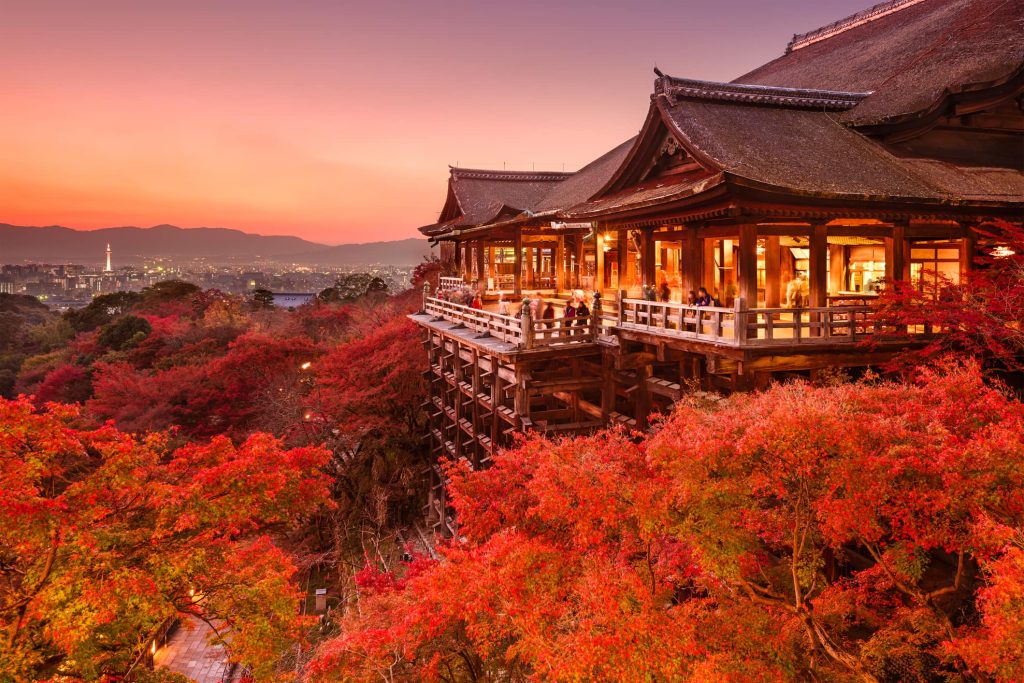
Conclude your journey at Kiyomizu-dera Temple, a UNESCO World Heritage Site and one of Kyoto’s most celebrated temples.
- The temple’s massive wooden stage offers breathtaking views of the surrounding forests and Kyoto city below.
- Seasonal Highlight: If you’re visiting in spring or autumn, the temple grounds are adorned with blooming cherry blossoms or vibrant autumn foliage.
- Tip: Stay until dusk to watch the city lights begin to twinkle below.
Conclusion
Kyoto is a city where time seems to stand still, allowing visitors to immerse themselves in the beauty of ancient traditions and natural wonders. Whether you’re walking through the peaceful torii gates of Fushimi Inari, marveling at the towering bamboo in Arashiyama, or indulging in the culinary delights of Nishiki Market, Kyoto offers something special for every traveler. Plan your visit, and let the cultural heart of Japan captivate your senses.
Leave a Reply