French pastries are world-renowned for their delicate textures, rich flavors, and centuries-old techniques. Whether it’s the buttery layers of a croissant or the charming simplicity of a madeleine, French baking has shaped the way we think about desserts. Let’s take a delightful journey through some of France’s most beloved pastries and explore what makes them so irresistibly special.
The Croissant: A Flaky, Buttery Icon
It wouldn’t be a French pastry journey without starting with the iconic croissant. While it’s often associated with France, its roots actually trace back to Austria, where it was originally created in the 17th century as a crescent-shaped pastry to celebrate the defeat of the Ottoman Empire. It wasn’t until the 19th century that the croissant made its way to France, where it evolved into the flaky, buttery masterpiece we know today.
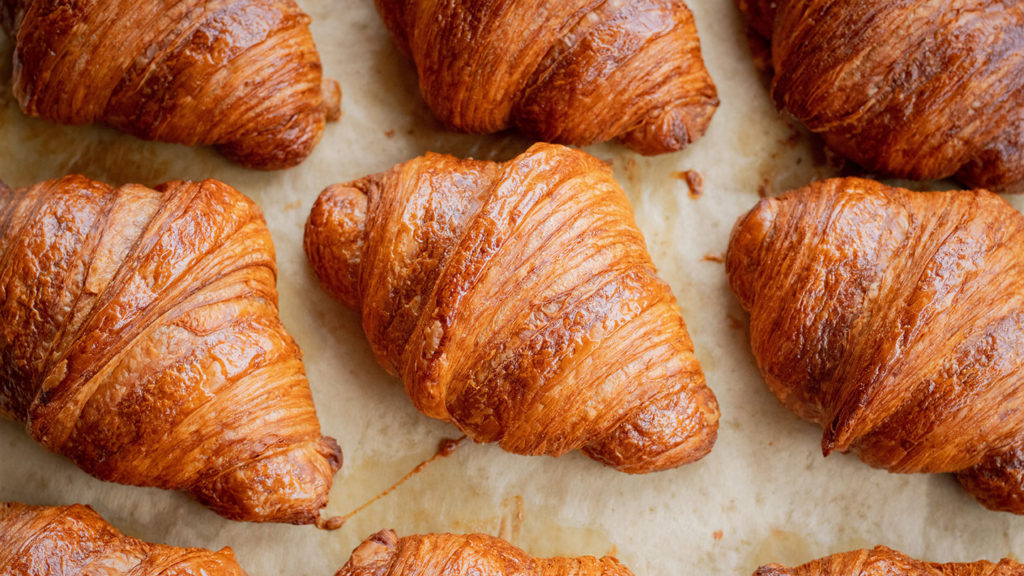
The secret to a perfect croissant lies in the delicate layers of dough. The dough is rolled and folded multiple times with butter in between to create those signature layers. When baked, the result is a golden, crisp exterior and a soft, pillowy interior that melts in your mouth. Croissants can be enjoyed plain, but they are often filled with chocolate (pain au chocolat) or almond paste for an extra indulgence.
The Madeleines: Little Bites of French History
Next, we move on to the delightful madeleine, a small shell-shaped sponge cake that is soft, moist, and just sweet enough to pair perfectly with a cup of tea. Madeleines are traditionally flavored with lemon zest or vanilla, but they can be found in a variety of flavors, such as hazelnut or chocolate.
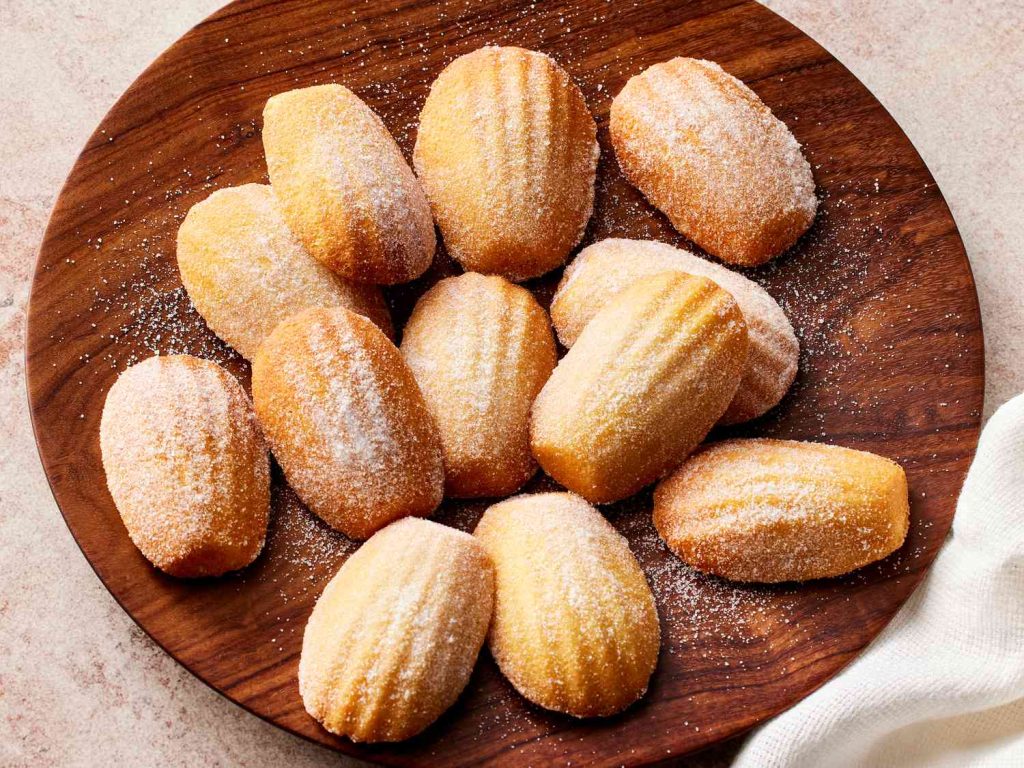
Madeleines are said to have originated in the Lorraine region of France, and they were named after a servant girl, Madeleine Paulmier, who baked them for Stanisław Leszczyński, the Duke of Lorraine, in the 18th century. These little cakes became famous after French writer Marcel Proust wrote about them in his book In Search of Lost Time (À la recherche du temps perdu), where the taste of madeleines dipped in tea evokes a flood of memories for the narrator.
What makes the madeleine so special is its texture. The cake is light and airy, with a delicate crumb that’s almost sponge-like. It’s perfect for a quick indulgence or as a gift, wrapped in cellophane and tied with a ribbon.
The Éclair: A Creamy, Dreamy Delight
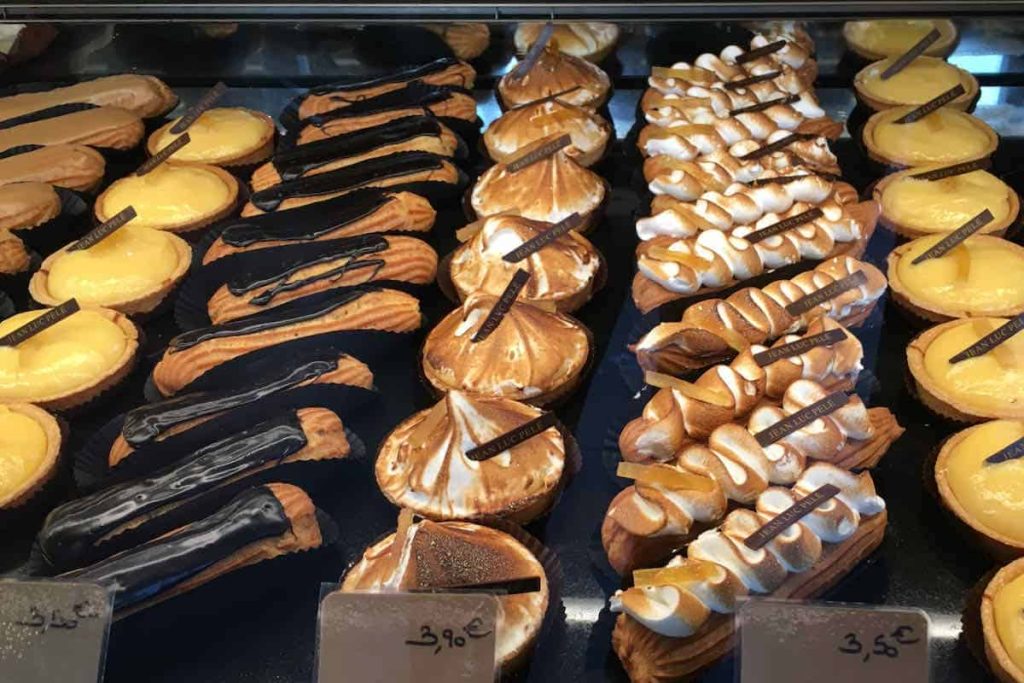
Another French classic that deserves attention is the éclair. This oblong pastry is made from pâte à choux (choux pastry), which is light and airy, and is filled with pastry cream and topped with a glossy layer of chocolate glaze. The éclair is perfect for anyone who loves a combination of textures—crisp pastry on the outside and rich, creamy filling on the inside.
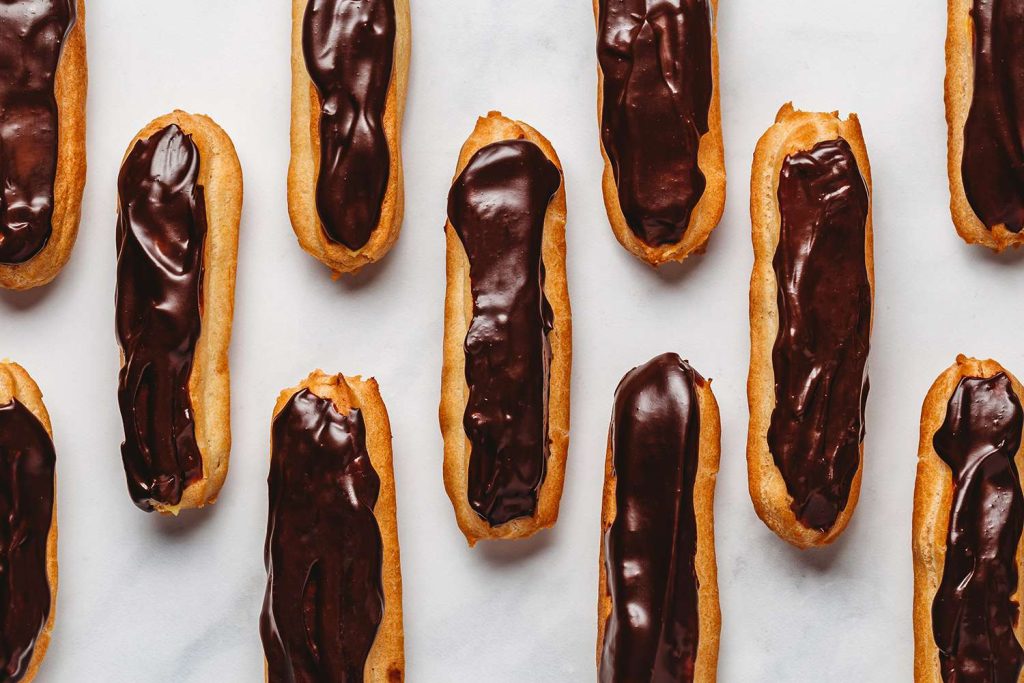
The éclair’s origins date back to the 19th century when it was first created by the French pastry chef Antonin Carême. It’s said that the name “éclair” (meaning “flash” in French) was given to the pastry because of how quickly they were eaten by those who indulged in them—so delicious that they were gone in a flash.
The filling of an éclair is usually a custard-like pastry cream, though it can also be flavored with coffee, chocolate, or even fruit. Some variations also include whipped cream or mousse for an added lightness.
The Tarte Tatin: A Caramelized Slice of Heaven
Now let’s talk about one of France’s most famous desserts: Tarte Tatin. This upside-down caramelized apple tart has a rich, buttery, and slightly tangy flavor. The story behind Tarte Tatin is as sweet as the tart itself—it’s believed to have been created by accident at the Tatin sisters’ hotel in Lamotte-Beuvron, France, in the 1880s. One day, while making a traditional apple pie, one of the sisters accidentally dropped the apples into the pan with butter and sugar, and they became caramelized. Instead of starting over, she placed the dough on top and baked it all together, turning out a delicious, sticky, and golden dessert.
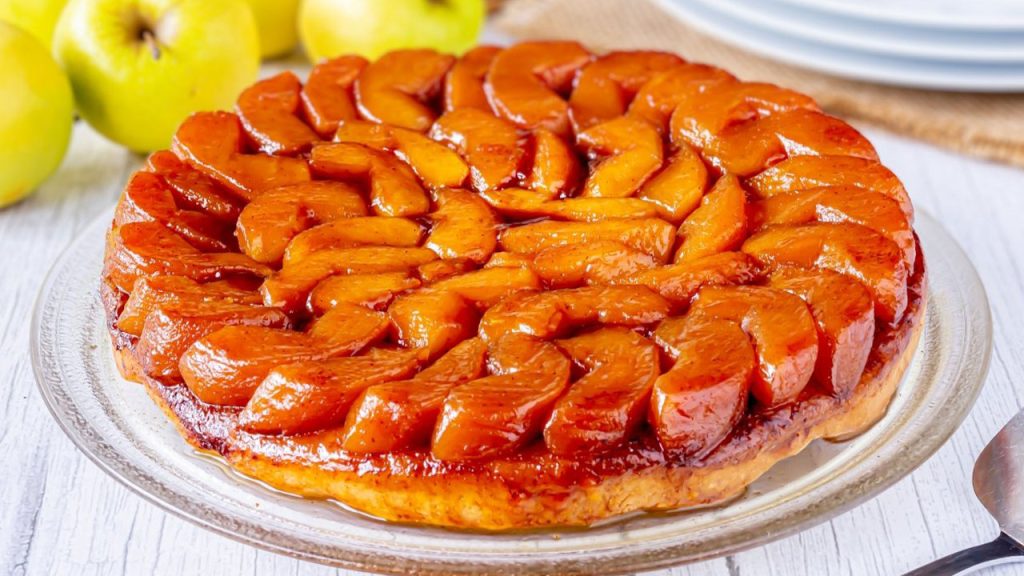
Tarte Tatin is traditionally made with apples, but variations using pears, peaches, or other fruits can be found as well. The caramelized fruit is baked beneath the pastry, so when the tart is flipped over, it reveals a beautiful glossy layer of caramelized fruit with a rich buttery crust.
The Chouquette: A Sweet Little Puffed Treat
Lastly, we have the chouquette—small, bite-sized puffs of choux pastry that are lightly sweetened and often sprinkled with sugar. These little treats are typically served as a snack or as part of a larger dessert spread. While they may be small, they pack a punch in terms of flavor.
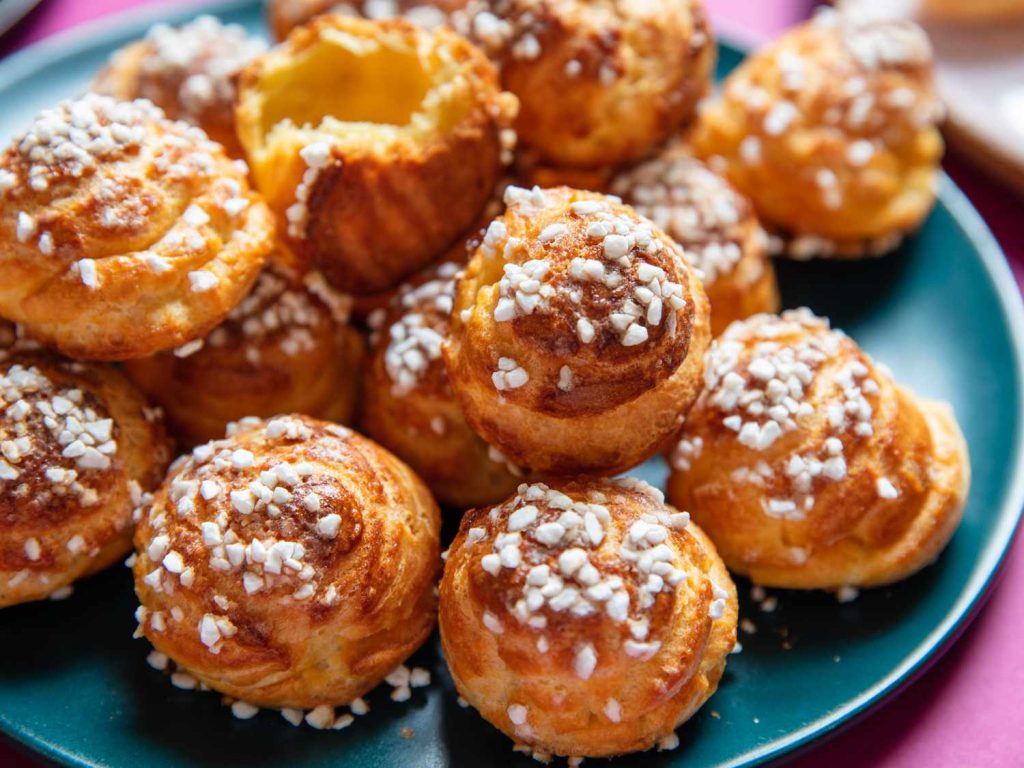
Chouquettes are made using the same pâte à choux dough as éclairs, but they’re not filled with cream. Instead, they’re simply baked with a dusting of sugar on top, giving them a delicate crunch and light sweetness. They’re perfect for nibbling on throughout the day, and they make a charming addition to a tea party or dessert table.
French Pastries: A Taste of Tradition and Elegance
From the flaky croissant to the soft madeleine, the creamy éclair, and the caramelized Tarte Tatin, French pastries offer a world of flavor, tradition, and elegance. These baked goods are not just treats—they’re a way of experiencing French culture and history in every bite.
The next time you enjoy a French pastry, take a moment to appreciate the craftsmanship and stories behind them. Whether you’re indulging in a classic croissant or savoring the last bite of a madeleine, you’re partaking in a centuries-old tradition that continues to delight taste buds around the world.
One response to “Exploring French Pastries: From Croissants to Madeleines”
Hello