OVERVIEW
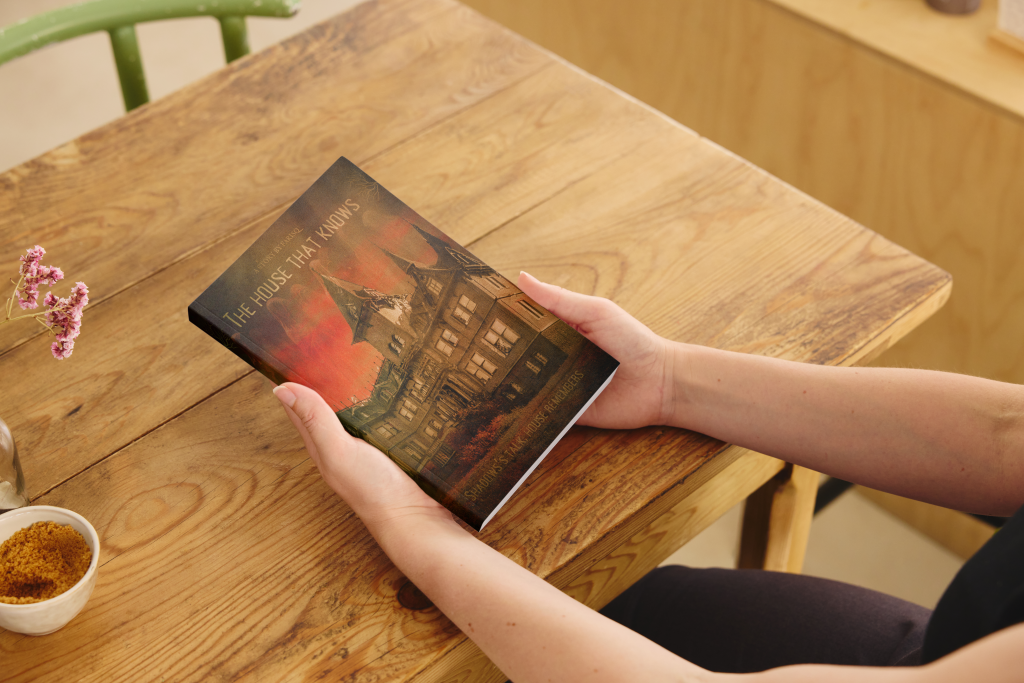
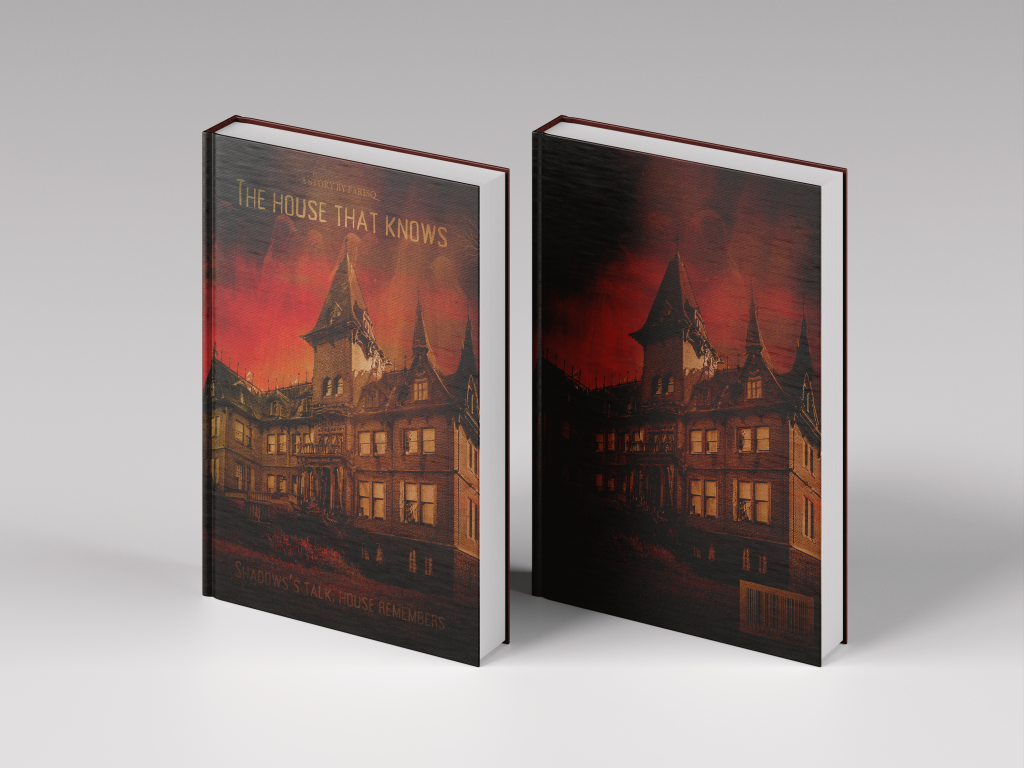
This was my first ever novel—a deeply personal dive into fiction, memory, and visual storytelling. I didn’t just want to write a book, I wanted to design a world around it. The House That Knows began as a simple story idea, but quickly grew into a full creative project that blended writing, layout design, and branding. From the manuscript to the final cover and even a fictional movie campaign, this project became my way of exploring how narrative and design can work hand in hand to build something haunting and whole.
Concept Overview
The House That Knows is a slow-burning psychological thriller about memory, trauma, and the spaces that never truly let us go. The story follows Nathan and Kate, siblings returning to their decaying childhood home to confront a past that's been waiting. This wasn’t just a novel—it was a full visual narrative system. Alongside writing the manuscript, I designed the book layout, created the cover, and developed an entire fictional film campaign to explore how the story might live on screen.
Story summary
As Nathan and Kate begin peeling back the layers of their old home, memories resurface—some real, some imagined. The deeper they explore, the more the house begins to "remember" with them. Silence becomes a language. Shadows become familiar. And the truth? It’s far from comforting.
Some houses don’t forget.
Expanding the Narrative
While the book stood on its own as a complete narrative, I wanted to push its emotional reach further. That meant imagining how the story could live beyond the page—how its haunting tone, slow tension, and psychological themes could translate across mediums.
This led to the idea of building a fictional film campaign, not just as an exercise in design, but as a deeper expansion of the story’s atmosphere and visual language.
Expanding the Narrative
While the book stood on its own as a complete narrative, I wanted to push its emotional reach further. That meant imagining how the story could live beyond the page—how its haunting tone, slow tension, and psychological themes could translate across mediums.
This led to the idea of building a fictional film campaign, not just as an exercise in design, but as a deeper expansion of the story’s atmosphere and visual language.
Fictional Movie Adaptation
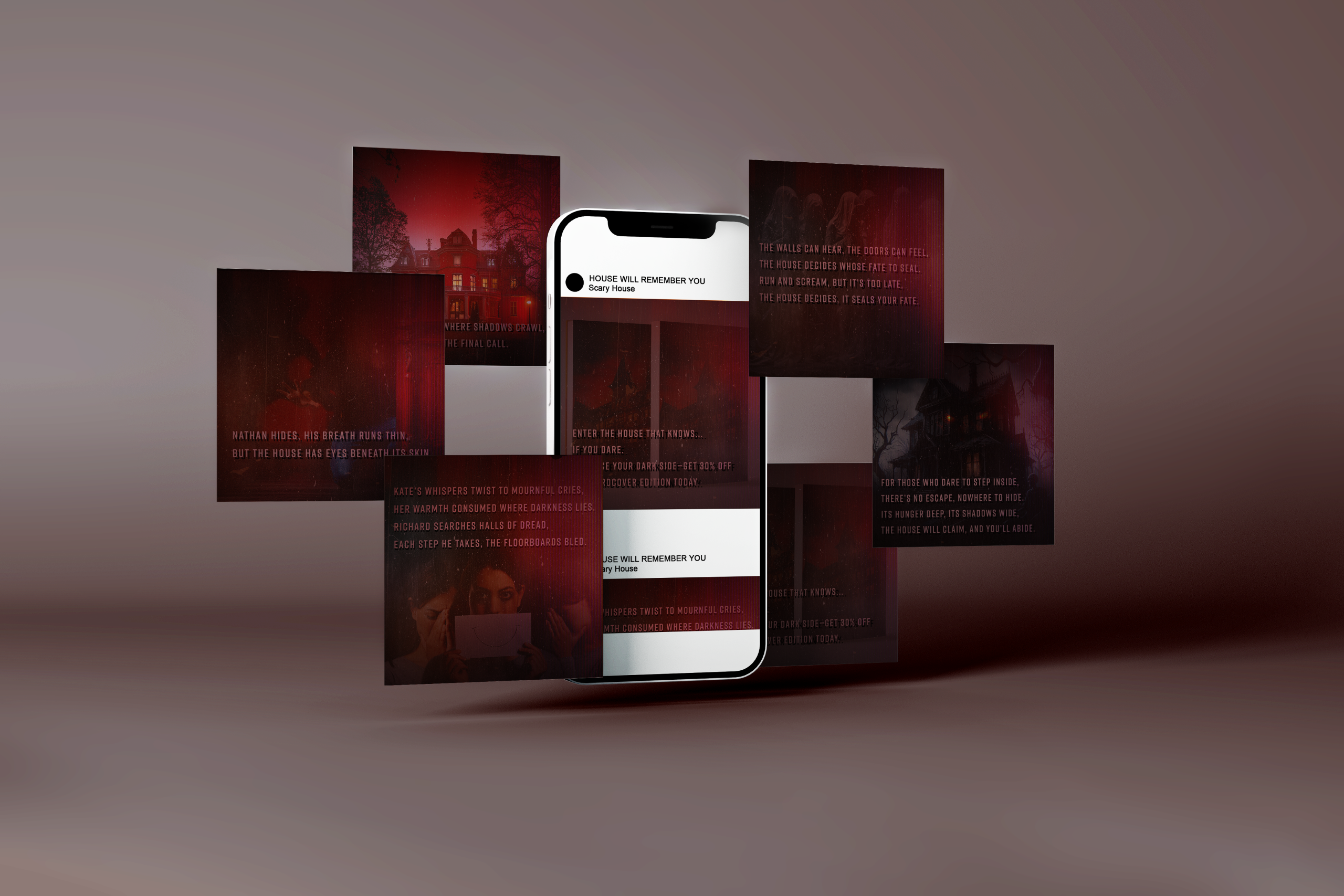
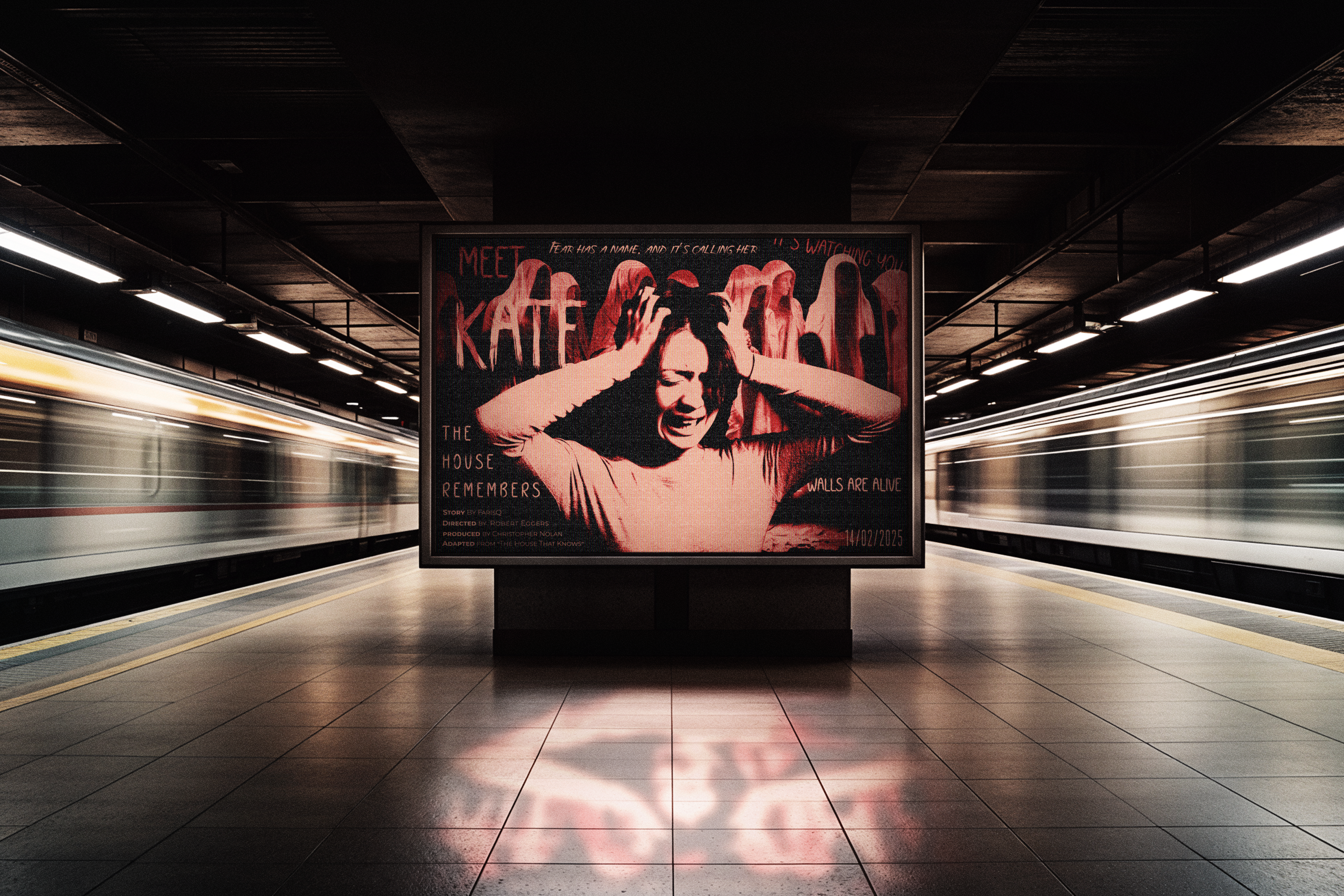
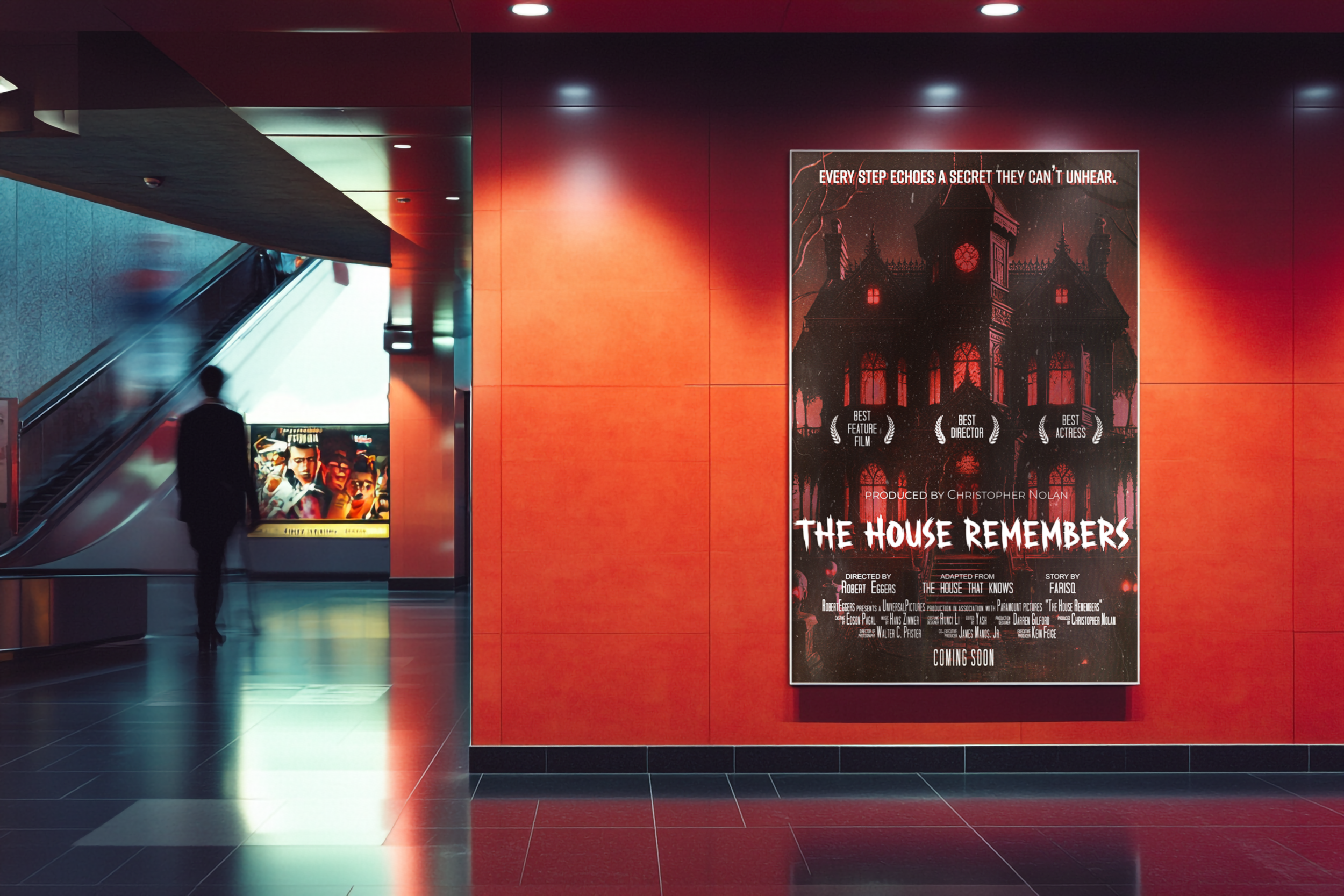
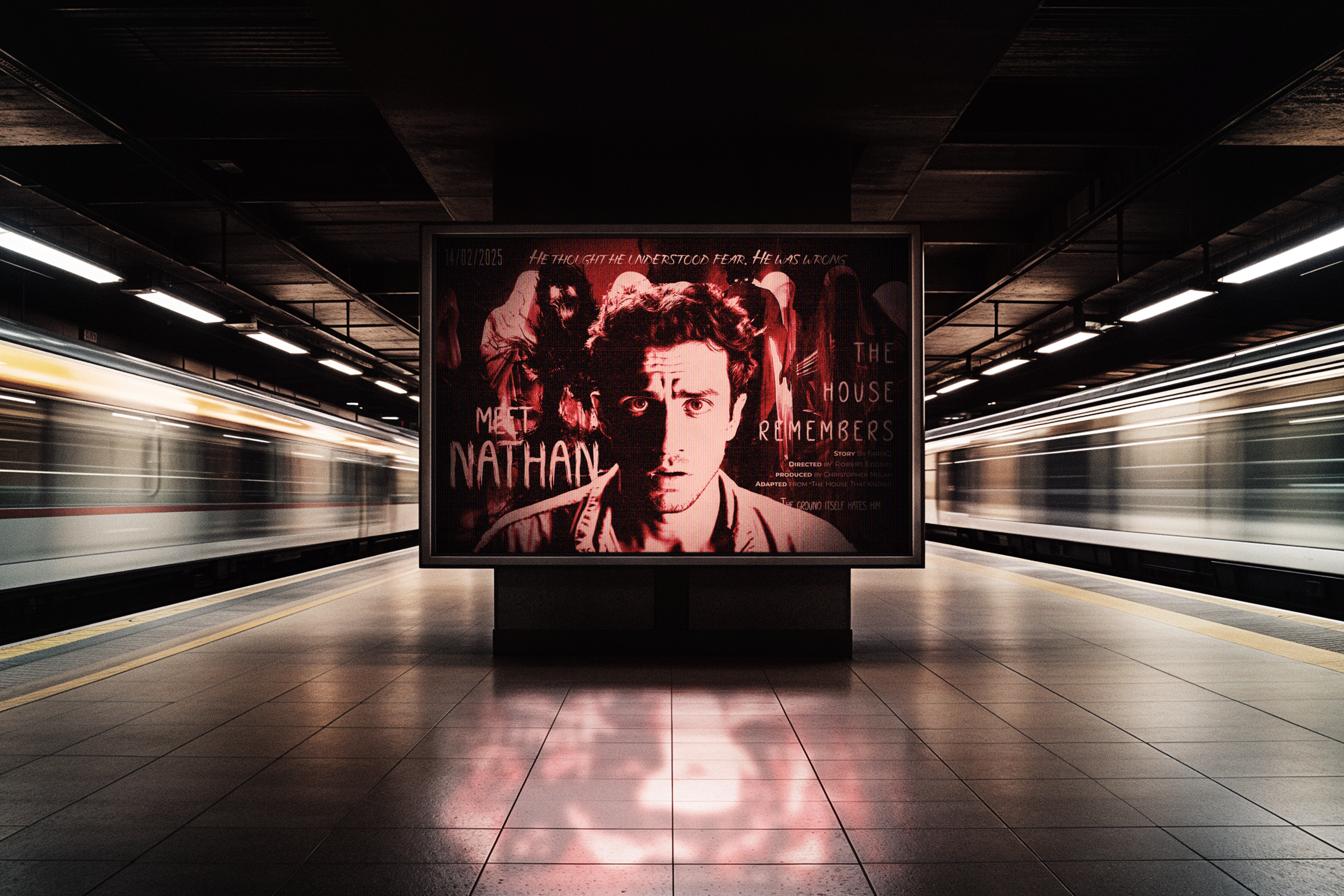
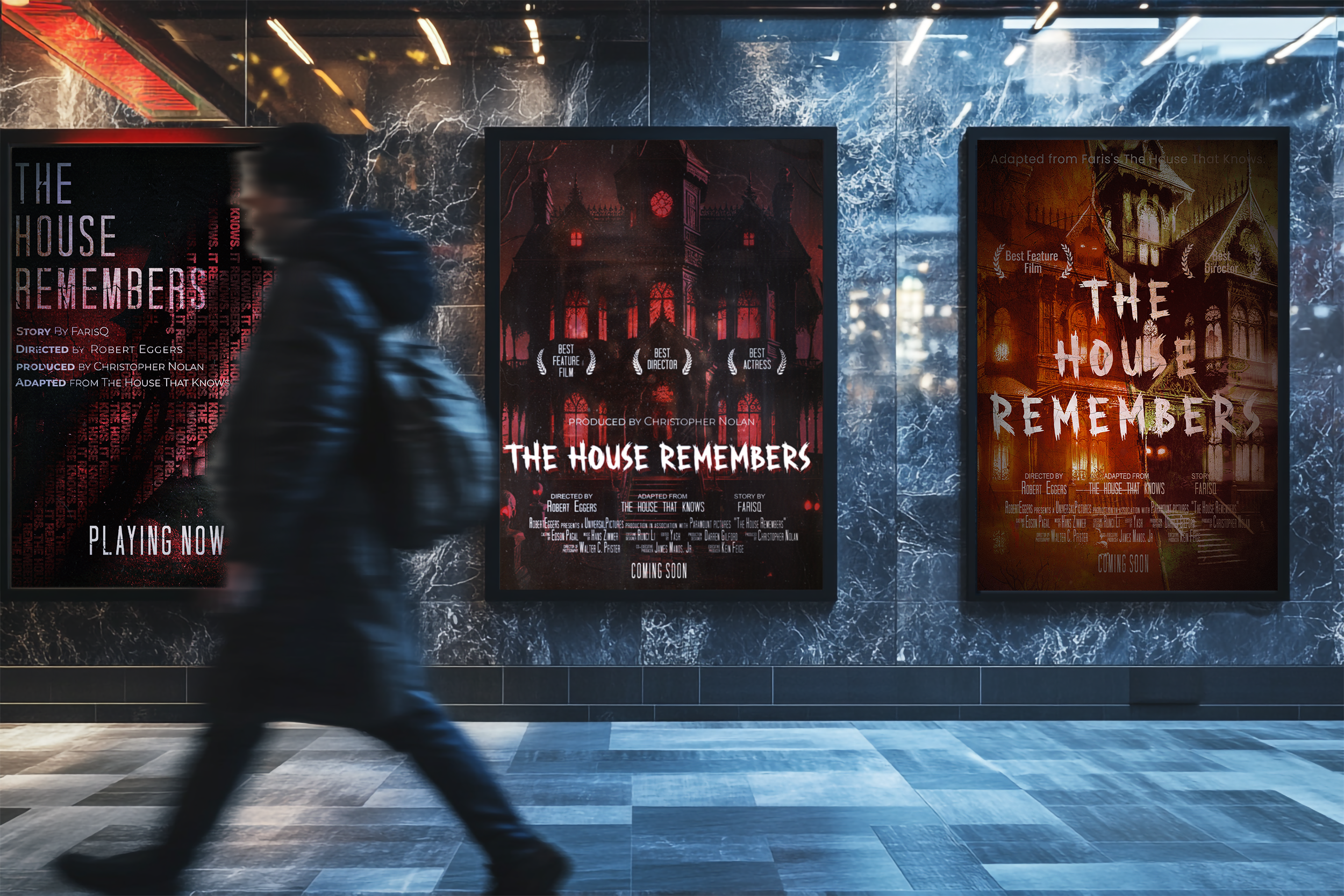
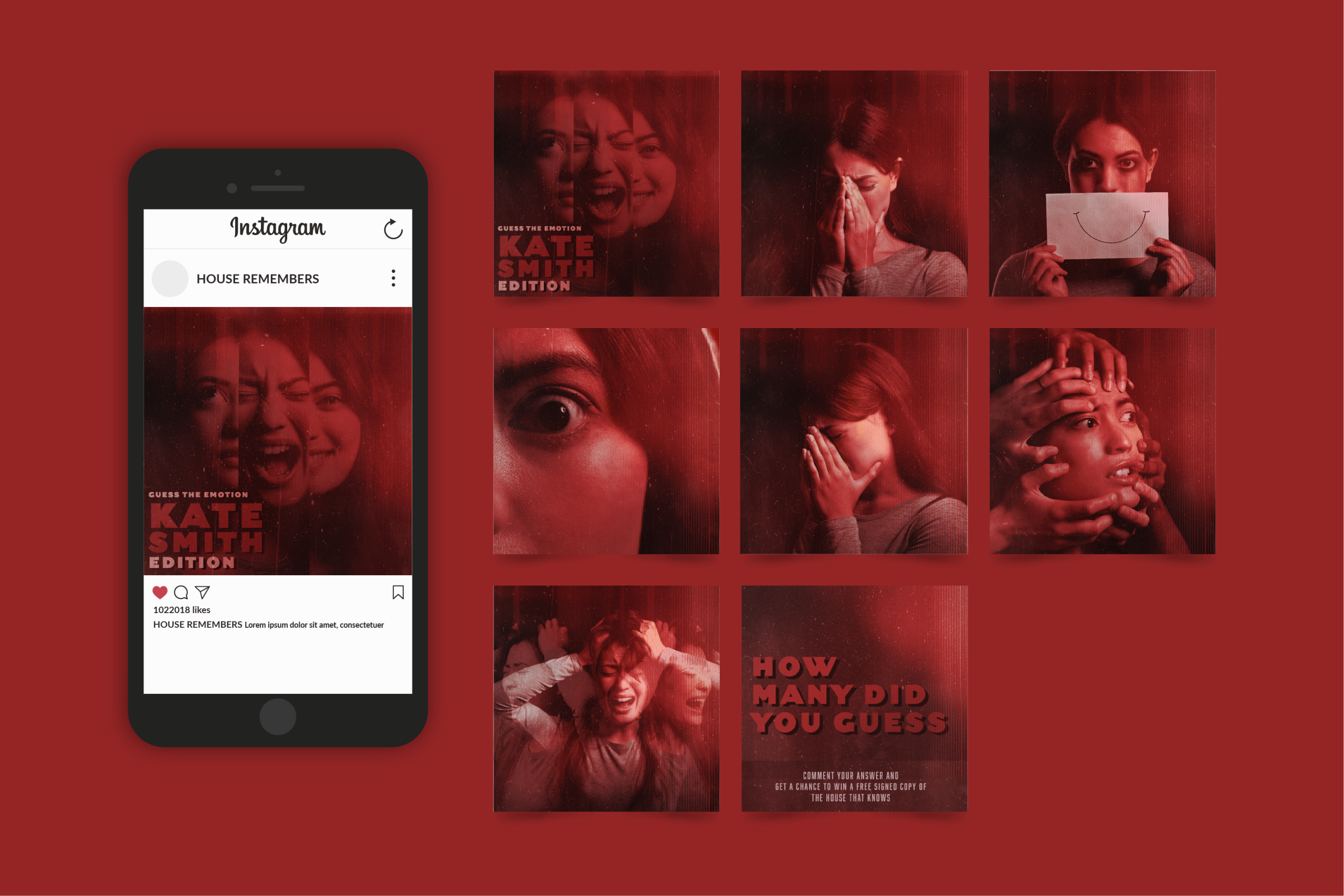
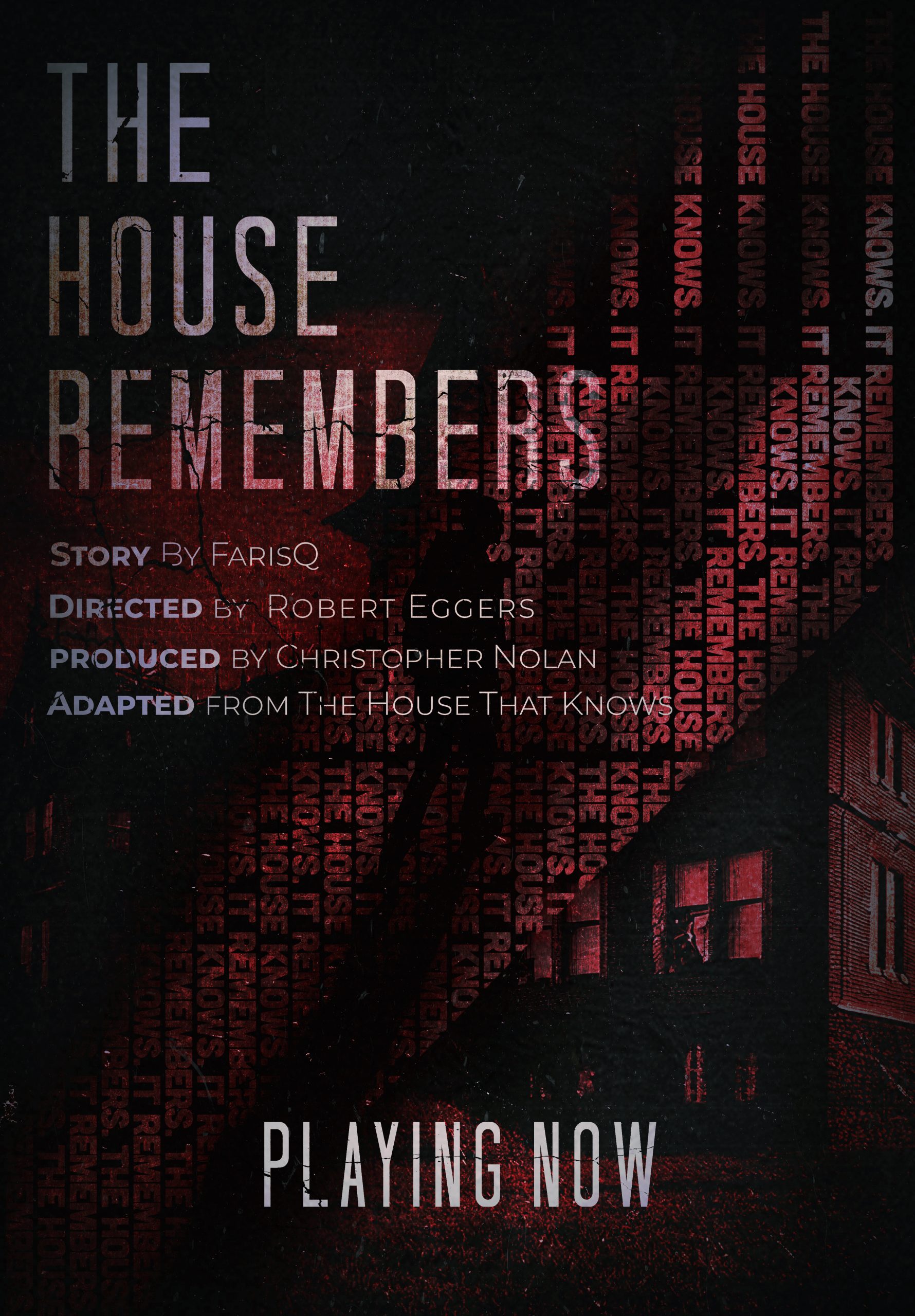
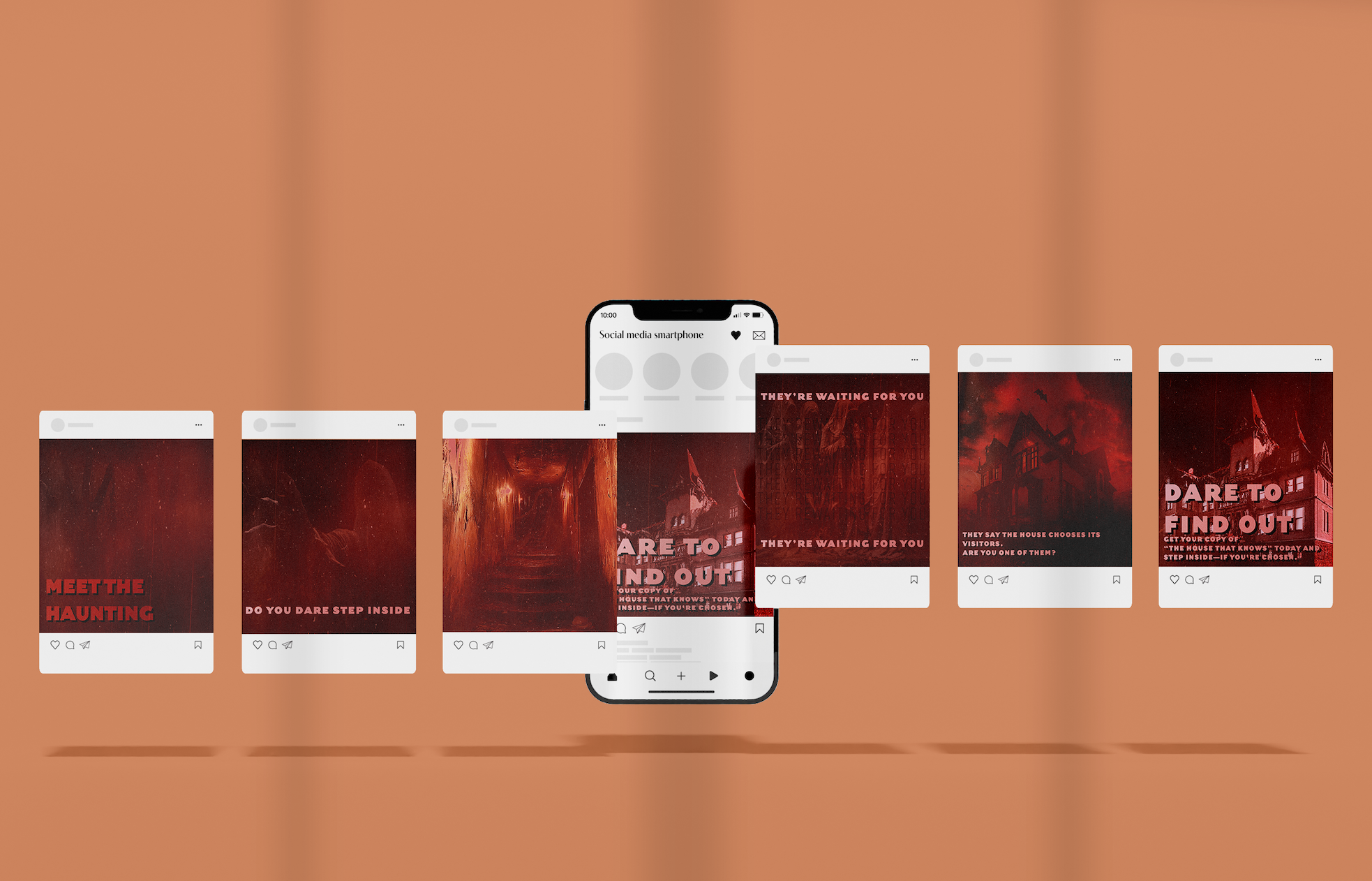
To imagine the novel as a feature film, I created a full visual campaign:
5 Poster Designs: Symbolic, cinematic visuals aligned with horror themes
3 Instagram Carousels: Mini storytelling sequences teasing the plot
Each piece carried the story’s tone across platforms, building a consistent identity for a fictional adaptation.
Final Reflection
This was my second novel, but it was the first time I treated a story as a complete visual system instead of only a written piece. The House That Knows pushed me to think beyond the manuscript and explore how a narrative can live through design, from the book cover and layout to a fictional movie campaign, posters, banners, and social media pieces.
Working on this project taught me how important tone is across every creative decision. The story is slow, psychological, and unsettling, so every visual choice had to support that atmosphere instead of simply looking dramatic. I had to think about colour, typography, imagery, pacing, and composition as parts of the same world.
This project also helped me understand how writing and design can strengthen each other. The writing gave the visuals emotional direction, while the design made the story feel more real, complete, and immersive. Overall, it became a project about building a world around a narrative and learning how to carry one idea across different formats while keeping it consistent, intentional, and connected.