Concept Overview
Break the Bind is a nonprofit awareness campaign created to challenge the stigma around men’s mental health. Rooted in the belief that vulnerability is strength, it uses visual storytelling to encourage emotional openness and ongoing support—not just performative awareness during specific months.
The Challenge
Cultural expectations often teach men to stay silent about their struggles. From phrases like “man up” to the glorification of stoicism, these outdated norms continue to prevent help-seeking behavior. This campaign aims to confront that through bold design and emotionally resonant messaging.
Personal Motivation
This was my first-ever social impact design project, and it meant a lot. I’ve seen close friends go through things they never spoke about until it was nearly too late. I wanted this work to create space, to interrupt silence, and to say something real.
Poster Series
-
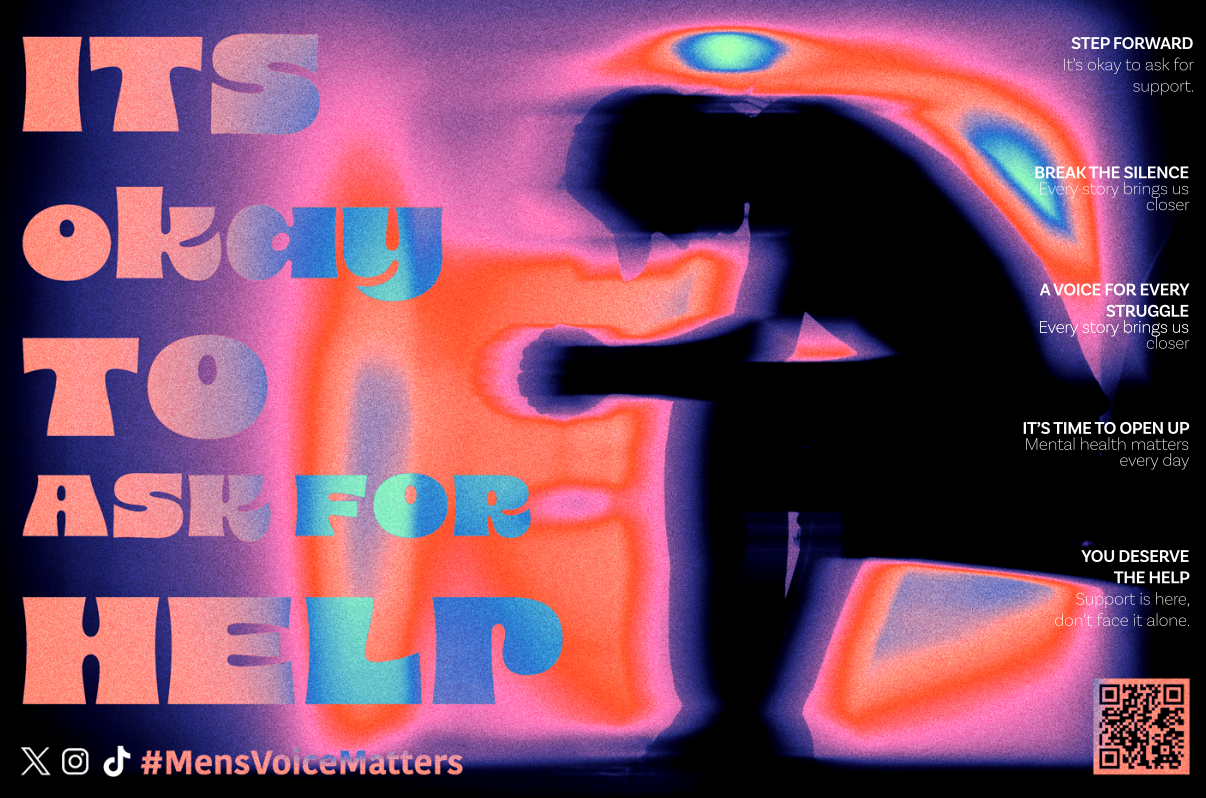
Poster 1: It’s Okay to Ask for Help
Shadowed figure with glowing heatmap tones, QR linking to mental health support -
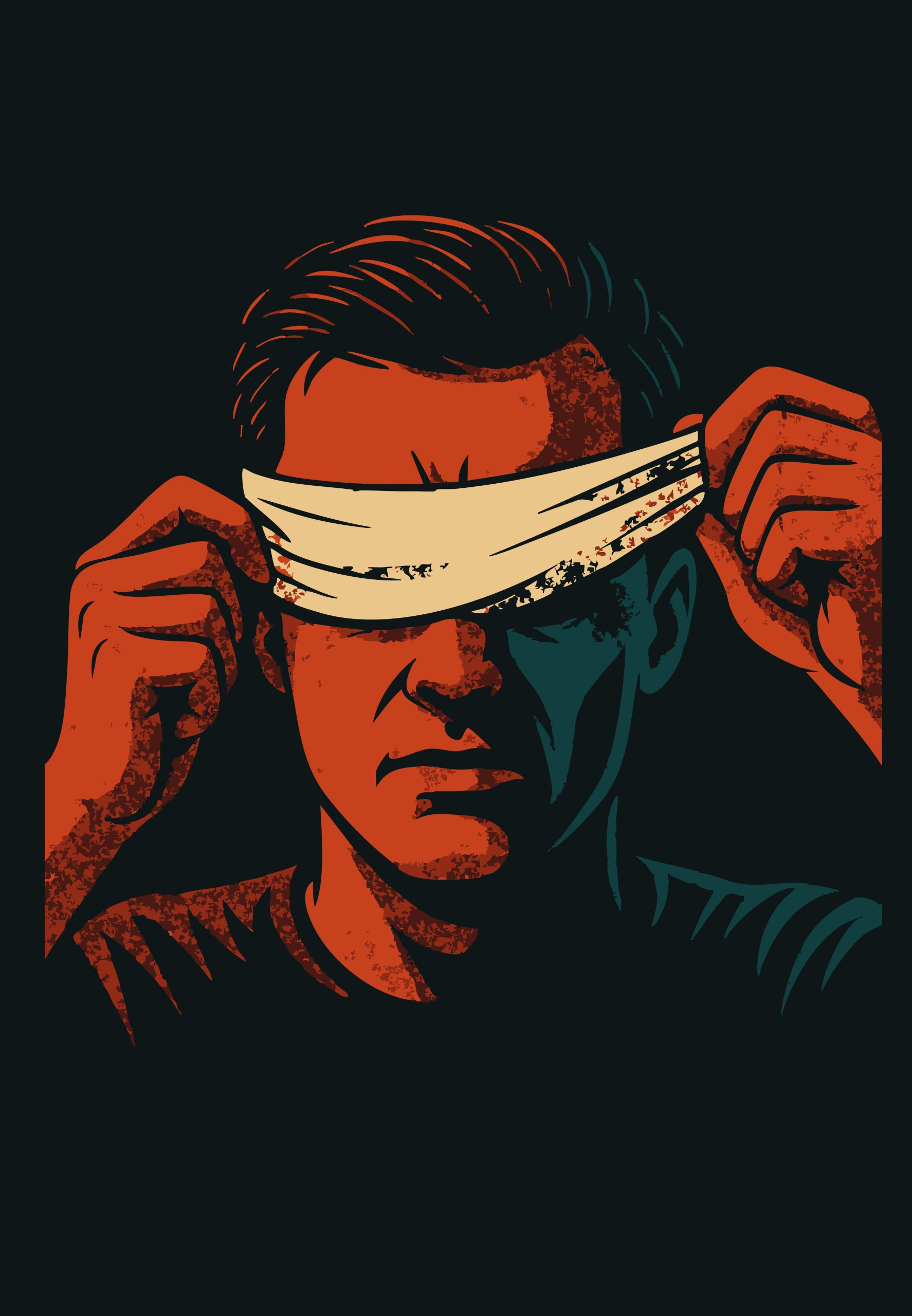
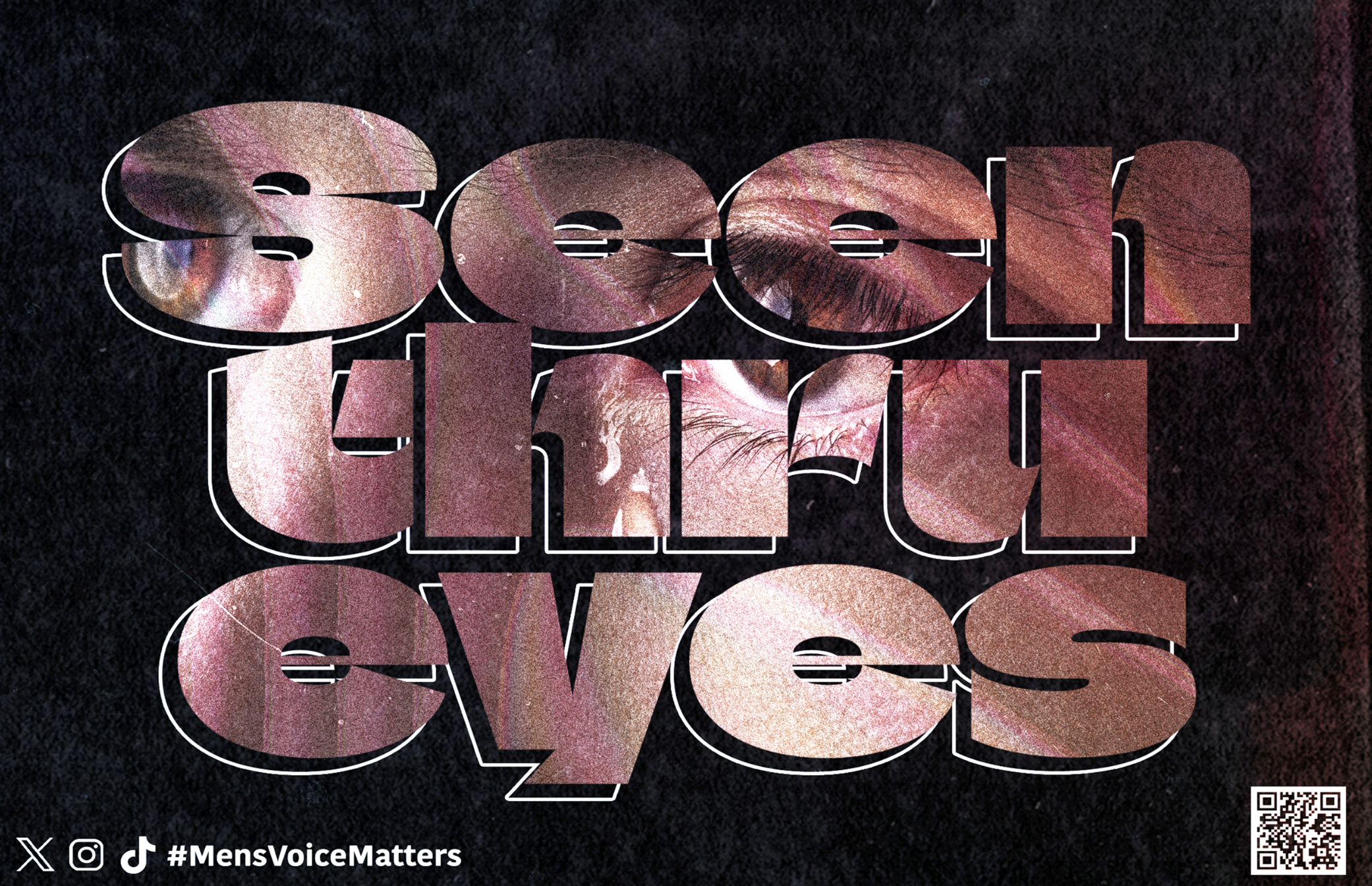
Poster 2: Seen Thru Eyes
Reflective typography and a tight portrait crop, emphasizing silent emotional cues -
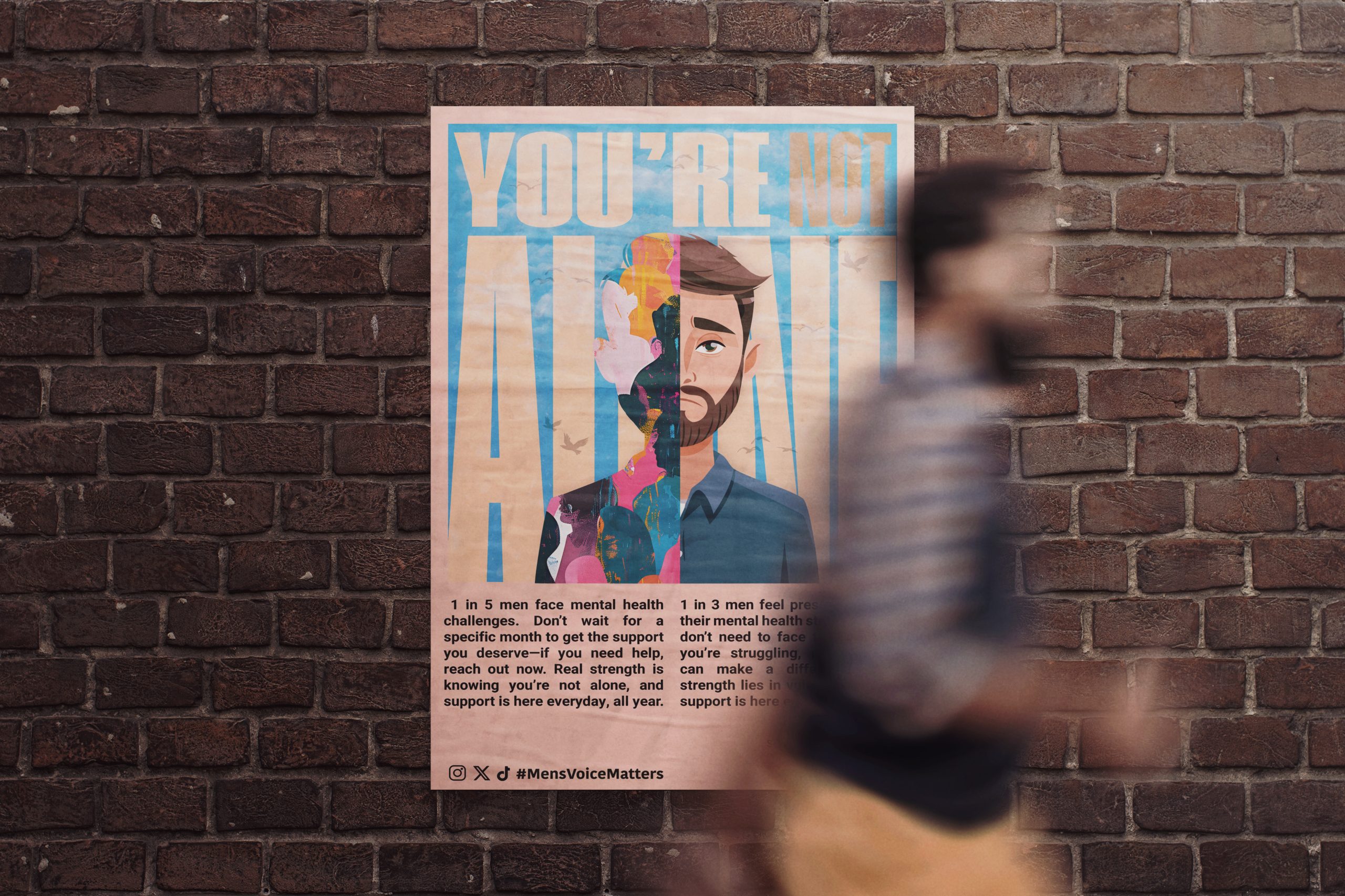
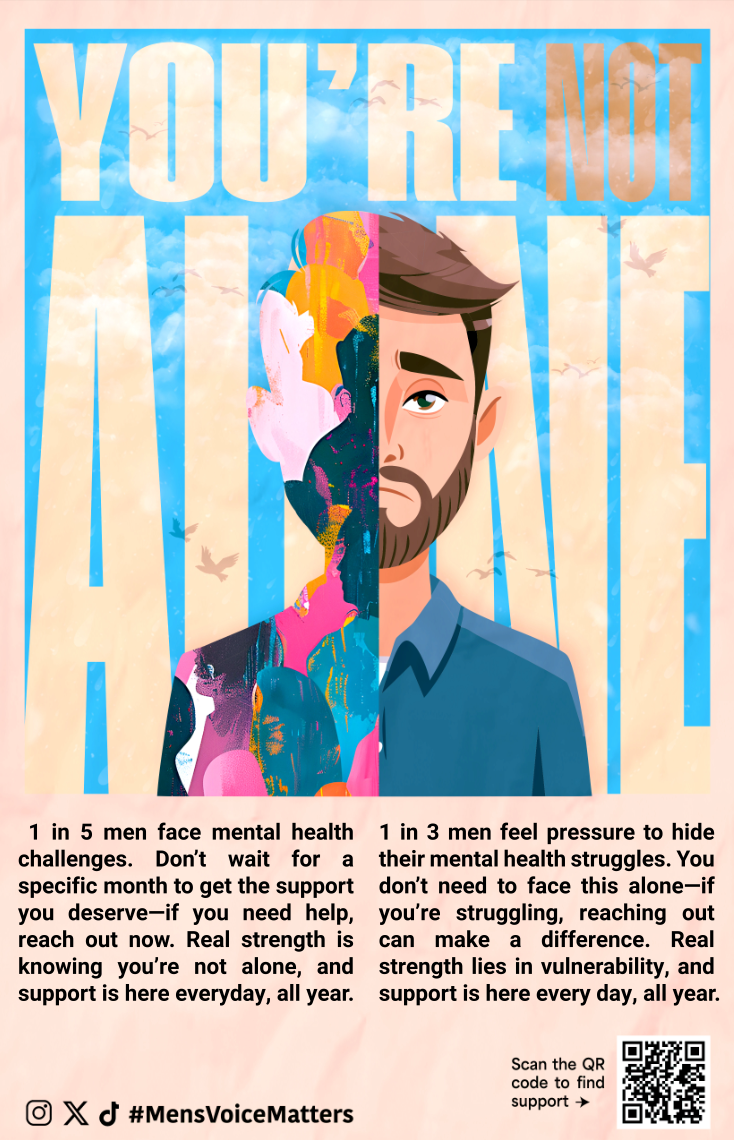
Poster 3: You’re Not Alone
Split-face design showing composed exterior vs. inner chaos, paired with statistics
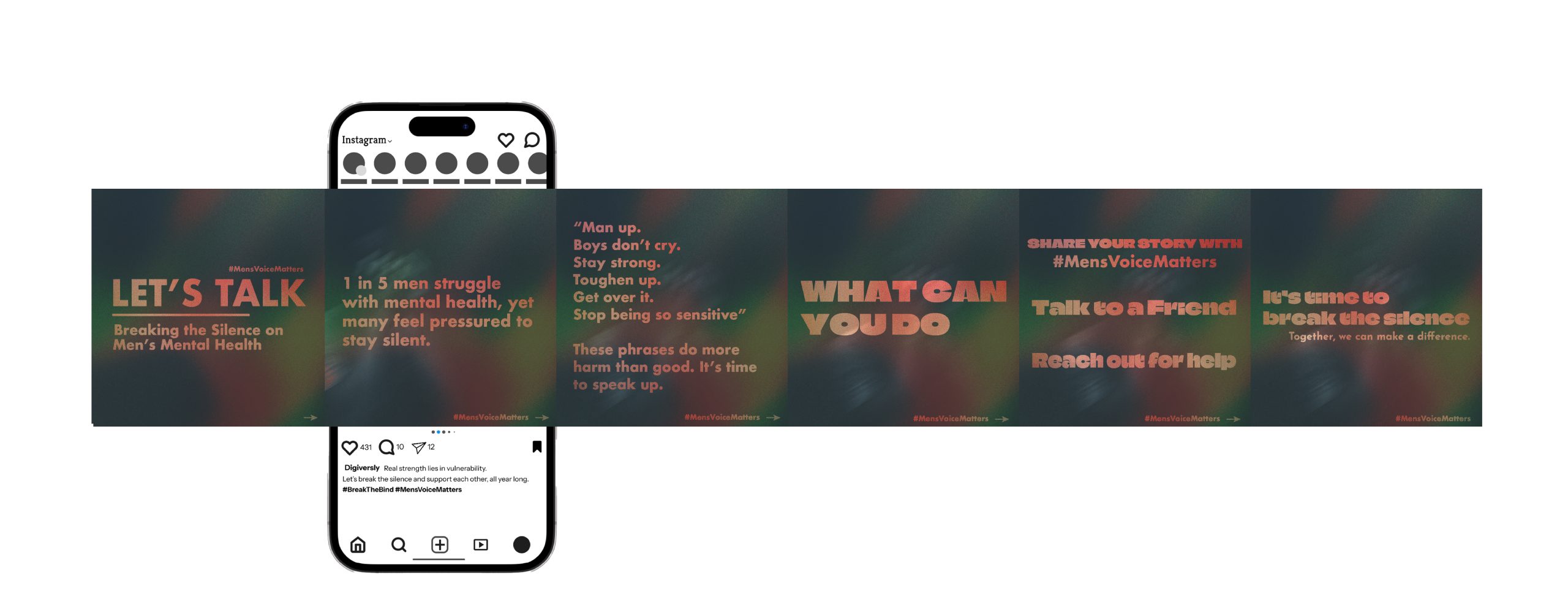
Instagram Carousel – Beyond the Brave Face
-
Quiet, minimal frames guiding the viewer from tension to release
-
Final slide: #MensVoiceMatters — an open invitation for shared stories
-
Designed to resonate deeply in private, personal feeds
Goal
-
Normalize emotional expression among men
-
Destigmatize mental health struggles
-
Encourage real, year-round conversations—not just momentary campaigns
-
Provide a visual language that’s bold, direct, and easy to share
Outcome
-
Created a multi-platform awareness system using posters, digital ads, and social storytelling
-
Used QR codes to embed direct support into every design
-
Focused on long-term emotional connection, not just short-term awareness
-
Helped me understand how design can be a tool for healing—not just expression