

Video games have become one of the most influential forms of entertainment in the world. What started as a niche pastime for tech enthusiasts has evolved into a multi-billion-dollar industry that impacts nearly every aspect of modern culture. Beyond just being a source of entertainment, video games now shape art, fashion, music, politics, and societal norms across the globe. This blog delves into how video games influence and reflect the cultures that create them, highlighting key cultural moments and the lasting legacies left by iconic franchises.
1. Global Cultural Influence:
Video games are not just confined to their country of origin anymore; they have gone global. Take, for instance, Final Fantasy VII—a game that not only changed the way RPGs were designed but also introduced Japanese pop culture to a Western audience. The success of Japanese video games worldwide helped solidify anime, manga, and other aspects of Japanese culture as global staples. Similarly, Grand Theft Auto has shaped many Western perceptions of urban life and criminality, influencing everything from music to film and even social attitudes toward freedom of expression.


2. Shaping Art and Design:
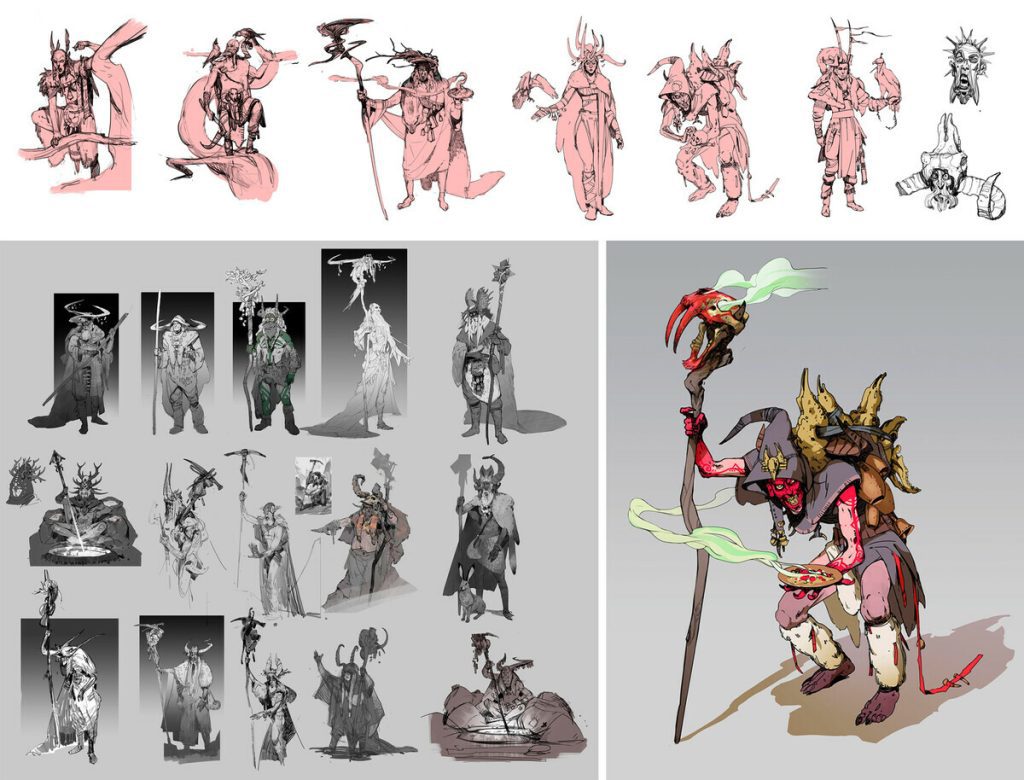
The visual language of video games has had a profound effect on both traditional and digital art. Many games take inspiration from fine art, often using cinematic storytelling and visuals that rival Hollywood productions. The artistic designs of Journey, Okami, and The Legend of Zelda have influenced modern artists and digital creators alike. Meanwhile, the success of indie games like Cuphead and Hollow Knight demonstrates how games are revolutionizing animation and graphic design, bringing hand-drawn, unique visuals into the mainstream.
3. The Sound of Gaming: Music and Soundtracks that Resonate with Culture
Music is another area where video games have had a lasting influence on culture. Iconic soundtracks such as The Legend of Zelda’s theme, Final Fantasy VI’s opera scene, and The Elder Scrolls V: Skyrim’s sweeping orchestral score have become embedded in popular culture. Moreover, the rise of video game music concerts and symphonies demonstrates how the music from games transcends its medium and has become part of broader musical movements. Game soundtracks often blend various cultural influences, with composers drawing from classical, jazz, folk, and electronic genres to create memorable pieces that resonate with players long after the game ends.
4. Social Issues and Activism: Games as Tools for Awareness
Video games have evolved to address complex social issues, offering a platform for activism and raising awareness. Titles like Papers, Please and This War of Mine bring attention to political struggles and humanitarian crises, giving players a lens through which they can understand difficult topics like immigration, war, and survival. Games such as The Last of Us also explore themes of gender, identity, and the human experience, allowing players to empathize with characters from diverse backgrounds and perspectives.

5. Fashion and Trends: From Digital to Real-World Influence
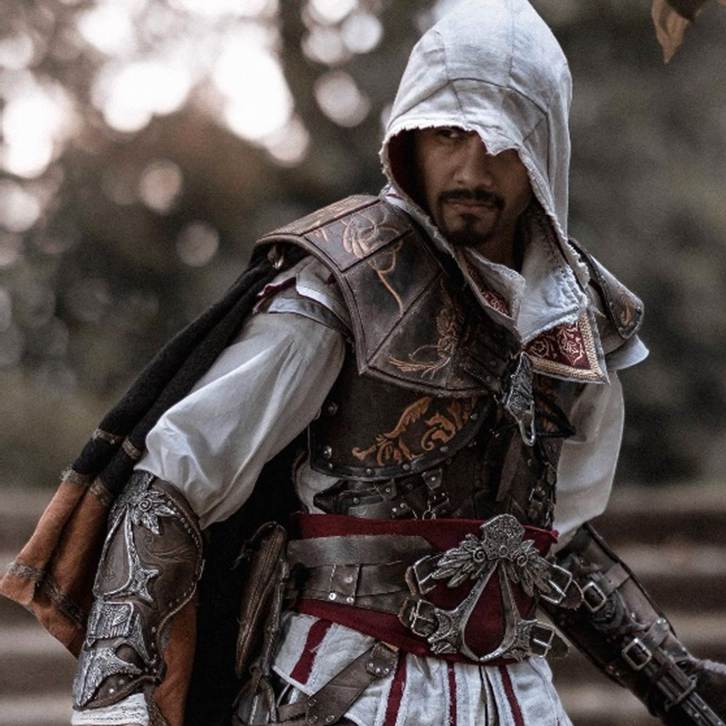
It’s no surprise that the world of video games has had an impact on fashion. Games like Animal Crossing and Final Fantasy have inspired real-world clothing lines and trends. With the rise of virtual influencers, many games now allow players to express themselves through digital avatars that sport everything from streetwear to high fashion. The costumes in games like Assassin’s Creed and Cyberpunk 2077 have also influenced fashion designers, bringing futuristic and historical aesthetics to the runway.


6. Gaming Subcultures and Communities: Bridging Divides and Building Connection
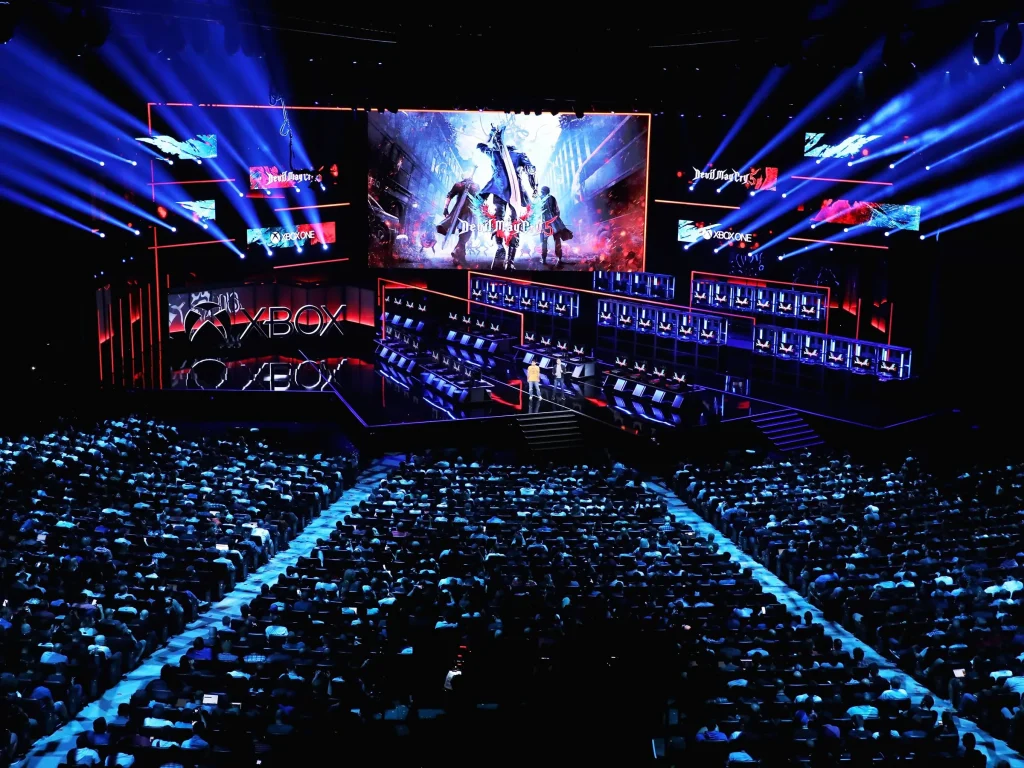
The online multiplayer experience has revolutionized how people connect with one another. Video games have given rise to massive subcultures, from the World of Warcraft community to the rise of esports. These communities allow people to form deep connections, often crossing geographical and cultural barriers. The emergence of influencers, streamers, and gaming personalities like Ninja and Pokimane has also contributed to the global nature of gaming subcultures, helping players from diverse backgrounds feel a sense of belonging in a digital space.
7. Video Games as Political Commentary: Reflections on Society
Some video games serve as more than just entertainment; they act as powerful political commentary. Games like Bioshock Infinite, Spec Ops: The Line, and Call of Duty: Modern Warfare have tackled political ideologies, war, and government corruption. These games not only reflect societal tensions but also encourage players to think critically about the world around them, making video games a modern form of cultural critique.

Conclusion: The Cultural Legacy of Video Games
From shaping global entertainment to influencing fashion, music, and art, video games have firmly cemented their place as a cultural force to be reckoned with. As the medium continues to evolve, its impact on global society will only grow, shaping the way we communicate, think, and experience the world. The cultural legacy of video games is undeniable—an ever-changing, ever-expanding influence that bridges divides, fosters creativity, and drives societal change.